

As the weather warms up, many of us are eager to get back outside and start spring cleanup, planting, and yard projects. While yardwork is a great way to stay active, it’s also one of the most common causes of springtime muscle and joint injuries.
Every year around this time, we see an increase in patients with back pain, shoulder strain, knee discomfort, and tendon irritation related to seasonal outdoor activity.
The good news? Most yardwork injuries are preventable.
Here are five common spring injuries—and what you can do to avoid them.
1. Lower Back Strain from Lifting Mulch, Soil, or Tools
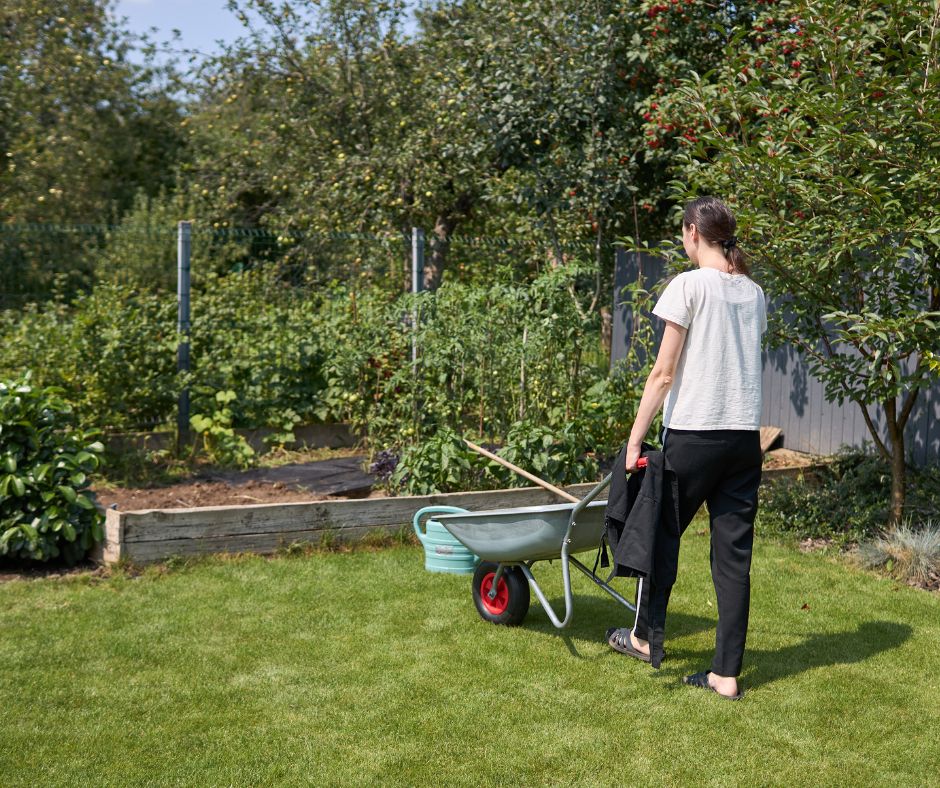
Heavy lifting is a big reason people visit physical therapy in the spring!
Protect your back by:
- Bending at your knees (not your waist)
- Keeping loads close to your body
- Avoiding twisting while carrying
- Breaking large loads into smaller trips
If your back feels tight after yardwork, don’t ignore it—early treatment can prevent longer recovery time.
2. Shoulder Pain from Raking and Pruning
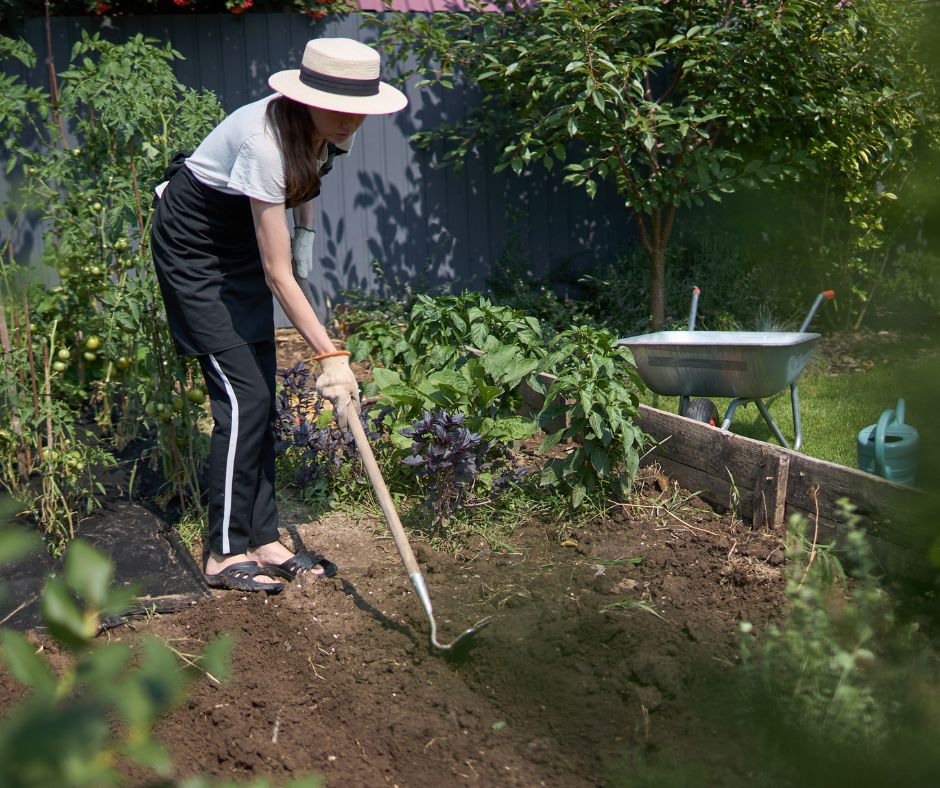
Repetitive overhead or forward motions can irritate the shoulder joint and rotator cuff.
Reduce your risk by:
- Switching arms while raking
- Taking stretch breaks every 20–30 minutes
- Avoiding prolonged overhead trimming
Shoulder discomfort that lingers beyond a day or two should be evaluated early.
3. Knee Pain from Squatting and Kneeling

Planting flowers and pulling weeds often puts stress on the knees—especially if arthritis is already present.
Helpful tips:
- Use a gardening pad or bench
- Avoid staying in one position too long
- Stand and stretch regularly
4. Wrist and Elbow Strain from Repetitive Motions
Digging, gripping tools, and trimming can lead to tendon irritation similar to tennis elbow.
Prevent strain by:
- Using ergonomic tools when possible
- Loosening your grip periodically
- Alternating tasks throughout the day
5. Doing Too Much Too Soon
After a long winter, muscles and joints need time to adjust to increased activity.
Start gradually:
- Break yardwork into shorter sessions
- Stretch before starting
- Hydrate and rest as needed
Your body will thank you!
When Should You See a Physical Therapist?
If soreness lasts longer than a few days—or pain limits your movement—it may be time to seek professional care.
Physical therapy can:
- Reduce pain
- Restore mobility
- Prevent small issues from becoming larger injuries
- Help you return safely to the activities you enjoy
Our team at Fitzgerald Physical Therapy is here to help you stay active and injury-free this spring season!
