
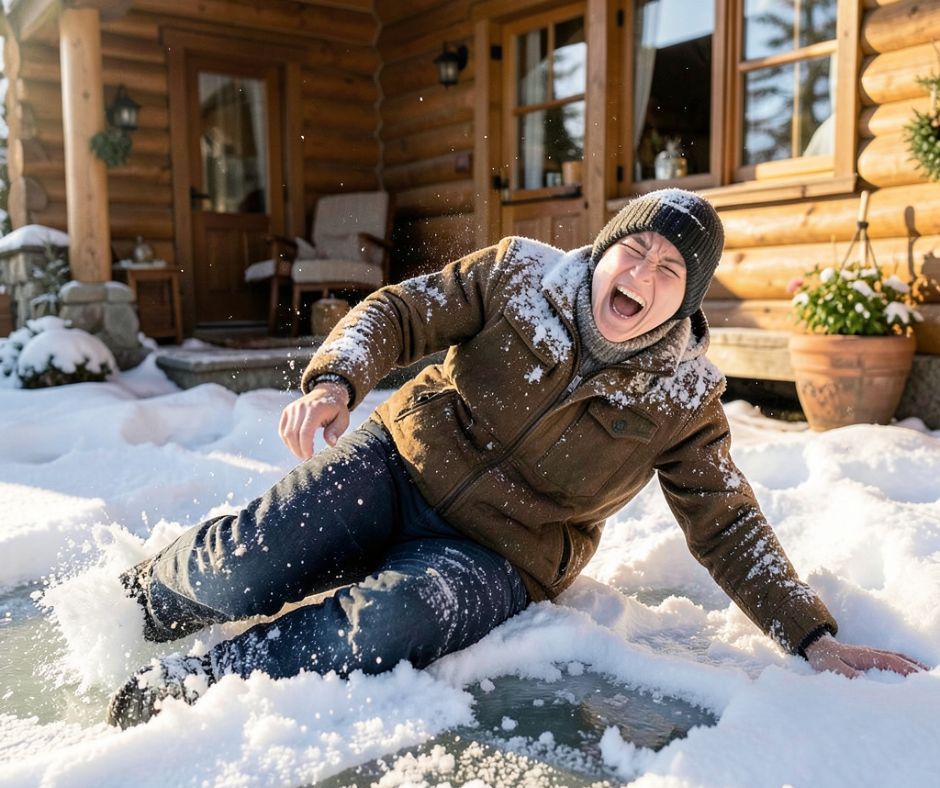
Winter in Massachusetts brings snow and ice — and a sharp increase in slip and fall injuries. A fall on an icy sidewalk, driveway, or parking lot can lead to more than just a bruise. Many people experience sprains, fractures, shoulder injuries, back pain, or even concussions. Knowing what to do after a fall can make a major difference in how quickly and fully you recover.
What to Do After a Slip on Ice
The first 24–48 hours are important. Some soreness and swelling are normal, but certain symptoms may signal a more serious injury. Watch for:
- Severe or worsening pain
- Difficulty bearing weight
- Significant swelling or bruising
- Numbness or tingling
- Limited range of motion
Even if X-rays are normal, soft tissue injuries like ligament sprains, muscle strains, or rotator cuff injuries may still be present. These injuries often require more than just rest to fully heal.
Common Winter Fall Injuries
After a slip on ice, we frequently see:
- Wrist sprains from trying to break the fall
- Shoulder injuries from landing on an outstretched arm
- Ankle sprains from twisting on uneven ground
- Low back pain from sudden impact
Too much inactivity can actually increase stiffness and prolong recovery. Early, guided movement is often key to restoring strength, flexibility, and stability.

How Physical Therapy Helps
Orthopedic physical therapy focuses on reducing inflammation, restoring range of motion, rebuilding strength, and preventing long-term complications. A personalized treatment plan can help you recover safely and avoid chronic pain or compensation injuries down the road.
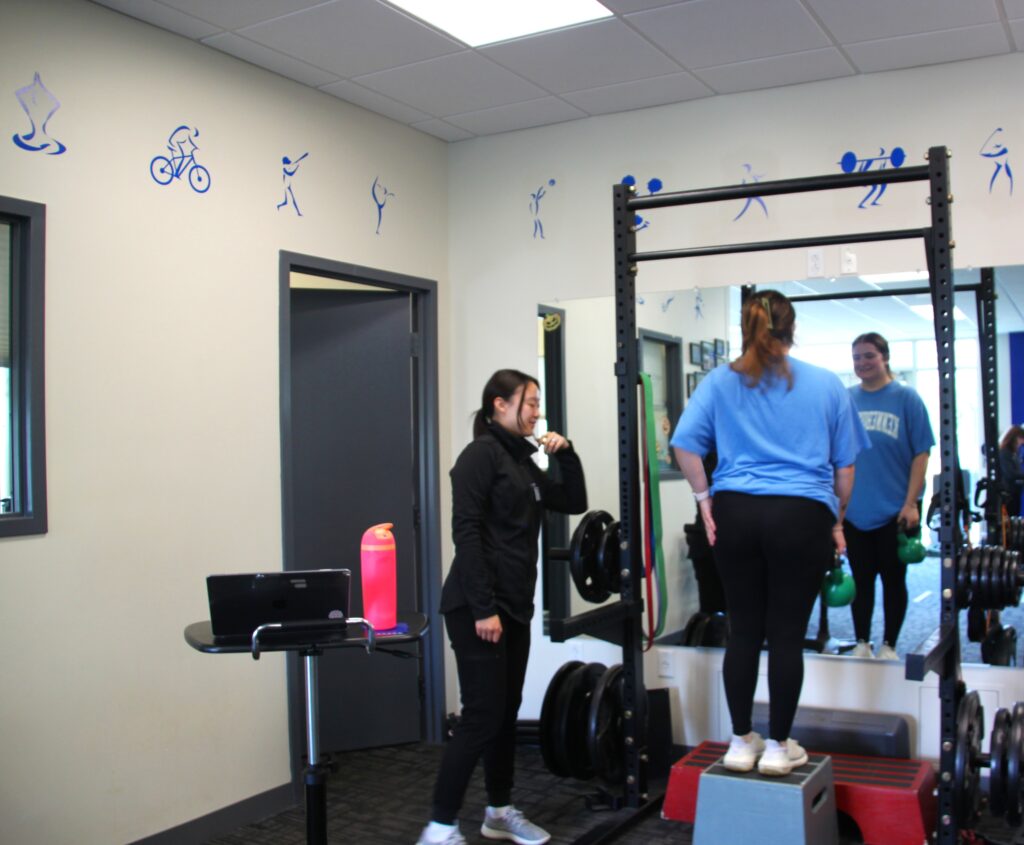
If you’ve slipped on ice and pain isn’t improving — or you’re unsure whether it’s something more serious — we can do an evaluation that will provide clarity and a clear path forward. Winter may be unpredictable, but your recovery doesn’t have to be. Contact us now to learn more!
