
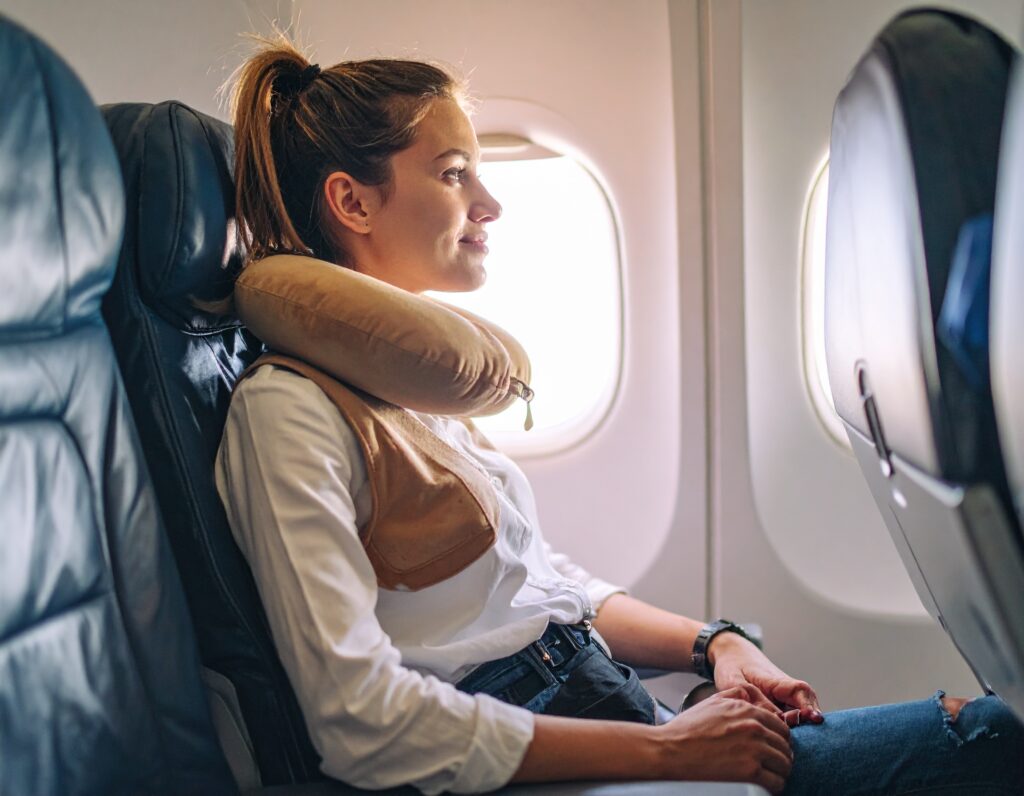
Whether you’re hitting the road for a summer getaway or flying cross-country for a business trip, long periods of sitting can take a toll on your body. Stiff joints, sore muscles, and poor circulation are common complaints after hours spent in a car or plane. But the good news is, with a little planning and some physical therapy recommended strategies, you can stay comfortable and mobile wherever your travels take you.
At Fitzgerald Physical Therapy, we help patients stay pain-free and active year-round—even on the go. Here are our top PT-approved tips for avoiding travel-related aches and keeping your body feeling its best:

1. Prepare Your Body Before You Go
Think of traveling like an athletic event: a little warm-up goes a long way. In the hours leading up to your trip, take 5-10 minutes to do some gentle stretching. Focus on your hamstrings, hip flexors, calves, shoulders, and neck—all areas that tend to tighten up while sitting.
Even a quick walk around the block or a few minutes of dynamic movement (like leg swings, shoulder rolls, or torso twists) can activate your muscles and get blood flowing before you buckle in.
2. Support Your Posture
Planes and cars aren’t exactly ergonomic, but you can still protect your spine with a few easy adjustments:
- Use lumbar support: Place a small pillow, towel roll, or travel cushion behind your lower back to maintain the spine’s natural curve.
- Adjust your seat: In cars, make sure your seat is upright and close enough to the pedals so you’re not overreaching. On planes, recline slightly if possible to reduce pressure on your lower back.
- Watch your head position: Avoid jutting your head forward to look at screens. Try a neck pillow or headrest to keep your neck aligned.

3. Move Often (Even in Small Ways)
Sitting for long periods decreases circulation and contributes to stiffness. Aim to change positions or move every 30-60 minutes.
- On flights: Get up to walk the aisle when safe, or do seated stretches like ankle circles, shoulder shrugs, and knee lifts.
- In the car: Plan to stop every 1-2 hours to get out and walk around. At the very least, do some gentle movements at rest stops or while fueling up.
4. Stretch Strategically
When you get to your destination (or during breaks), take a few minutes to stretch out the areas that were most affected by sitting:
- Calf stretch against a wall or curb
- Hip flexor stretch in a lunge position
- Standing back extension to counteract the forward-bent posture
- Shoulder rolls and neck stretches to release upper-body tension
These simple movements can make a huge difference in how your body feels after travel.
5. Stay Hydrated
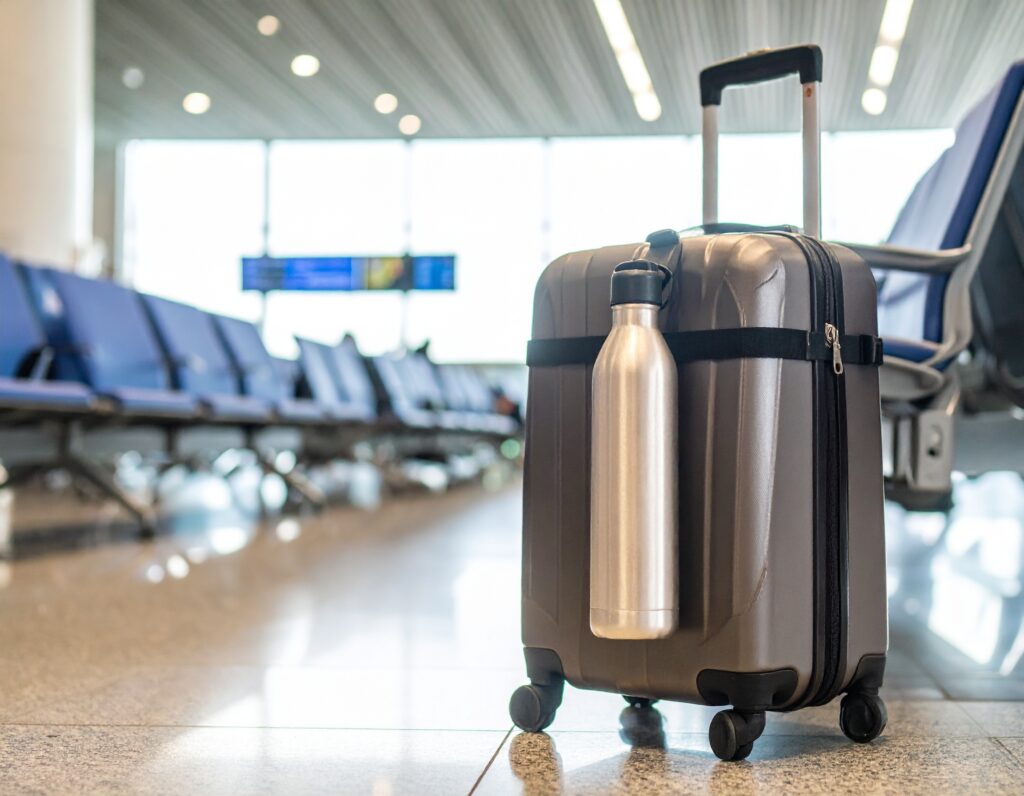
Dehydration can worsen muscle cramps and stiffness, so bring a refillable water bottle and sip throughout your journey. Avoid excessive caffeine or salty snacks that can dehydrate you further.
Eating well-balanced meals with protein and healthy fats also supports muscle recovery and keeps your energy levels steady.
6. Pack Smart to Protect Your Body
Lifting heavy suitcases or awkward carry-ons is a common source of back and shoulder injuries. Use proper lifting mechanics:
- Bend at the knees, not the waist
- Keep the load close to your body
- Avoid twisting while lifting or carrying
- Use rolling luggage when possible
If you have existing injuries or chronic pain, consider using a luggage service or asking for help.
7. Listen to Your Body
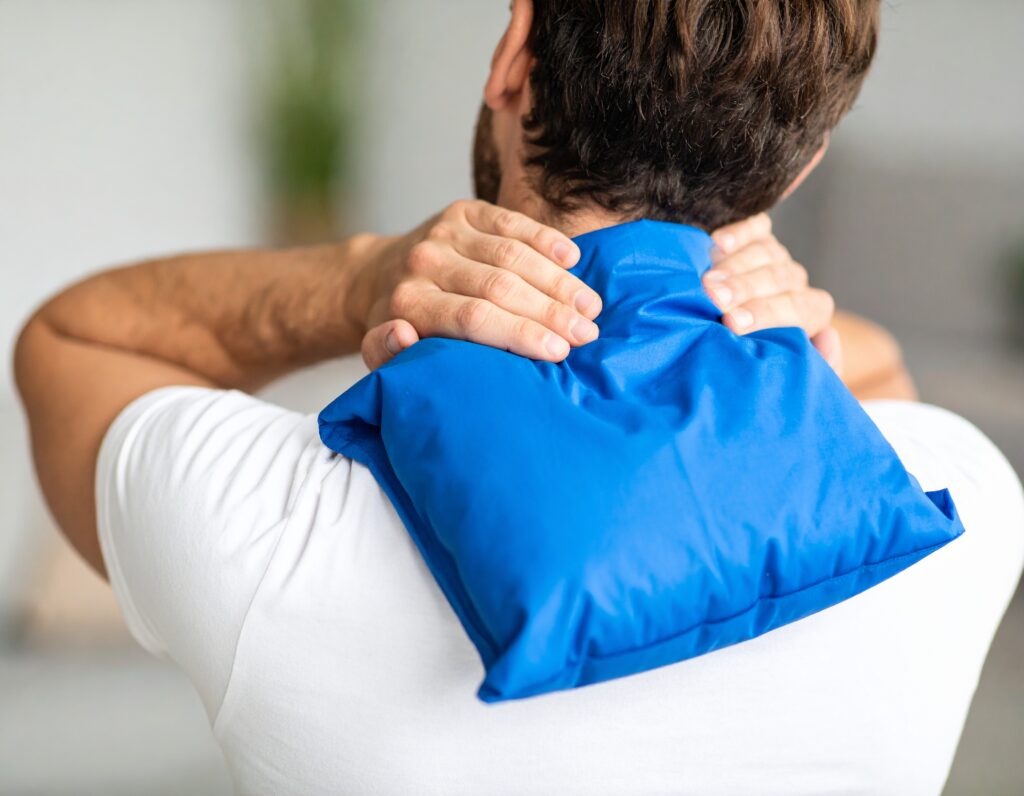
Finally, pay attention to how your body feels. If you start noticing discomfort, don’t push through it. Take a break, move around, or apply ice or heat as needed. Pain is a signal worth listening to—especially on the road.
Bonus Tip: Travel with Tools
Consider packing a few small items that can help with comfort and mobility:
- Resistance band for stretching
- Massage ball or mini foam roller
- Portable heat wrap or ice pack
- Compression socks to improve circulation
These can help you feel better during and after your trip.
Getting Ready to Travel?
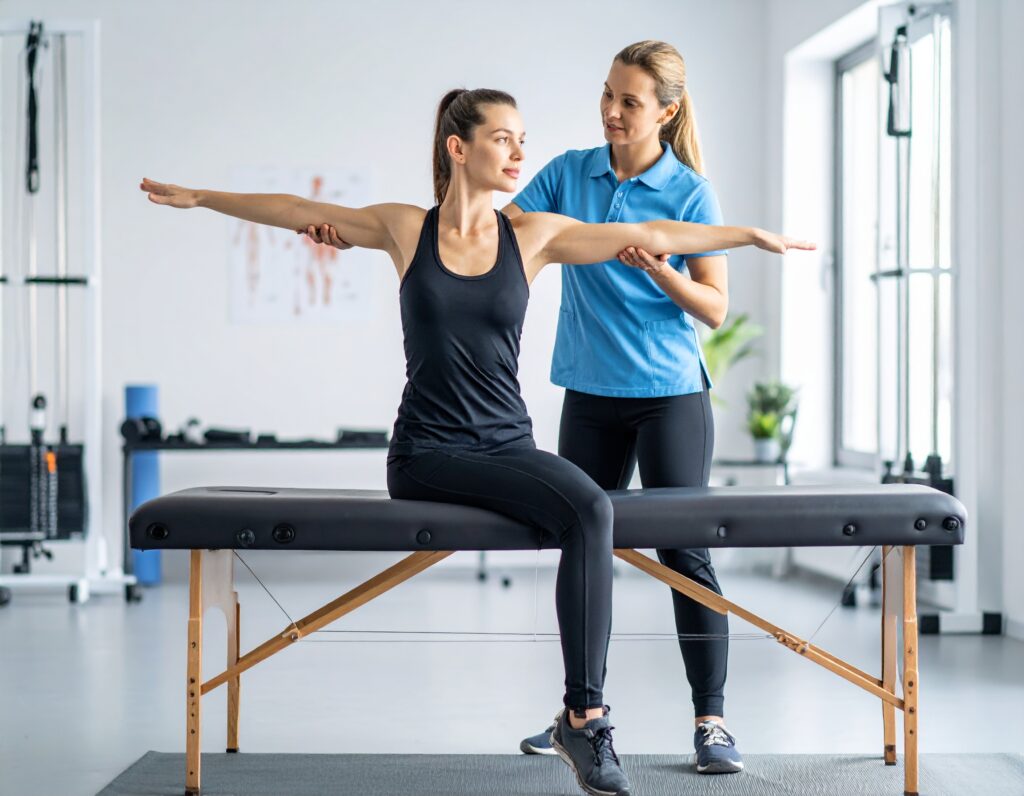
If you have a history of back pain, joint issues, or recent injuries, we can help you prepare for pain-free travel. A personalized PT plan can make all the difference.
Schedule a pre-travel consult or learn more about how to keep moving well—no matter where you’re headed!
